
Hello, again!
News:
It has been far too long. It’s been a rough 2 months since my last post, between getting sick, fixing the car, helping with potty training, and then preparing for, going on, and recovering from a family reunion, but there’s been some shining moments of progress, and the last couple of weeks have been a good transition back into writing action!
While I’m at it, Happy Fourth of July! We celebrated independence day by watching a parade, reading the Declaration of Independence, and enjoying the fireworks a neighbor launched.
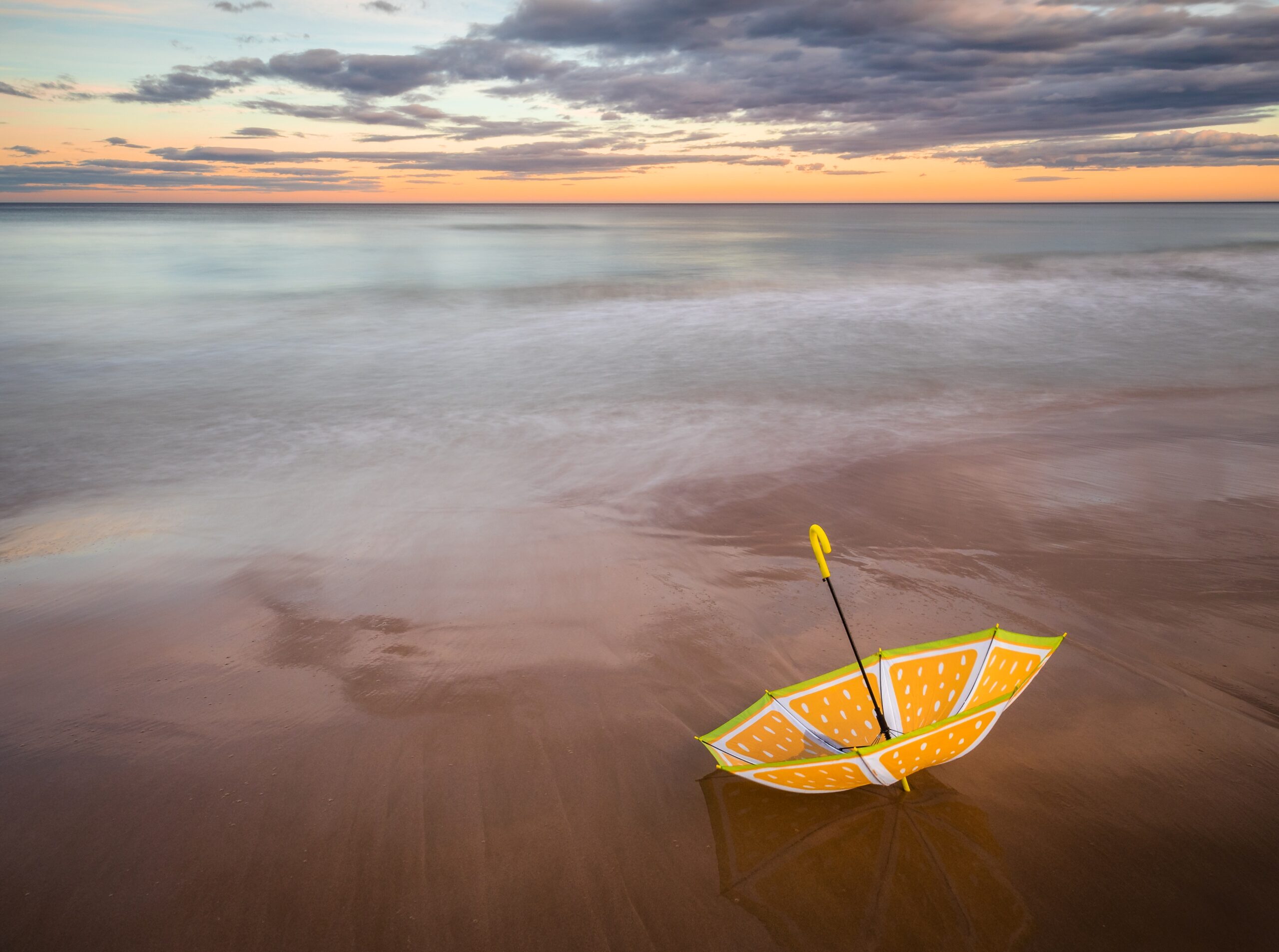
A great life hack I picked up from the family sitting next to us at the parade: bring an umbrella! You can use it as a parasol to keep the sun off before the show starts, and once they’re throwing candy you can hold it upside down to give the throwers a large and obvious target to aim for. When their competitive desire to score kicks in, you get more candy with much less effort!
We also enjoyed a round of Independence Day-themed Dominion! Very fun, though it could use a few tweaks.
Projects:
I’ve made a lot of progress on the outline for my next revision of Frostfire, figuring out my 7 Point Story Structures, going through the MICE Quotient, and now I’m working on improving it with Scene-Sequel! I managed to get enough done to write a new Prologue to submit to my writing group, though it looks like it would have been better to get that one done in Scene-Sequel first, since a quick analysis has already revealed that that scene will need revising. Oh, well. Live and learn!
The goal is to finish everything with the outline early next week and then see how much of the drafting/revising I can blow through by the end of the month. I’d love to finish this round of revising by the end of July or August. I’ve been making an effort to set and track daily goals, as well as setting stretch goals with fun rewards, and that seems to help a lot.
For Narnia!!!
Writing Advice:
I found that for me the best way to plot out a mystery was to start by brainstorming a list of suspects/why they might be suspicious, choose the suspects to focus on, and then to go through and brainstorm possible clues that could be discovered to point to each suspect I’d chosen. Then I brainstormed ways that clues could get misinterpreted. Next I chose the clues/misinterpretations I liked. At this point, I was a bit overwhelmed with all of the information/plot threads and everything, so I found that I could take each suspect and essentially create a character arc for how clues would be found, interpretations made, and then the suspect getting proven either innocent or guilty. I started with the guilty person, made a plot thread for them in Plottr and plotted out their arc with scenes/revelations/clues. Then I added each suspect’s thread, one at a time. Finally, once they were all in, I shifted the scenes around relative to each other to make sure the order made sense. It was still a lot of work, but by restricting my focus to one character at a time and then dealing with the exact order of events between threads at the end I was able to keep the amount of information to deal with down to a manageable level.
One last tip about writing mysteries: Your first draft is going to either be too obvious or too vague in how you foreshadowed the solution to your mystery. That’s okay. The goal is to write it, hand it over to alpha readers, and have them give you feedback on what tips them off too early or what confuses them. Then you revise, get more feedback, and then rinse, wash, and repeat until you have a mystery with just the right amount of foreshadowing to get that delicious surprising-yet-inevitable reveal. That’s how the professionals do it, and you can, too!